How Europe is killing makers and micro-entrepreneurs
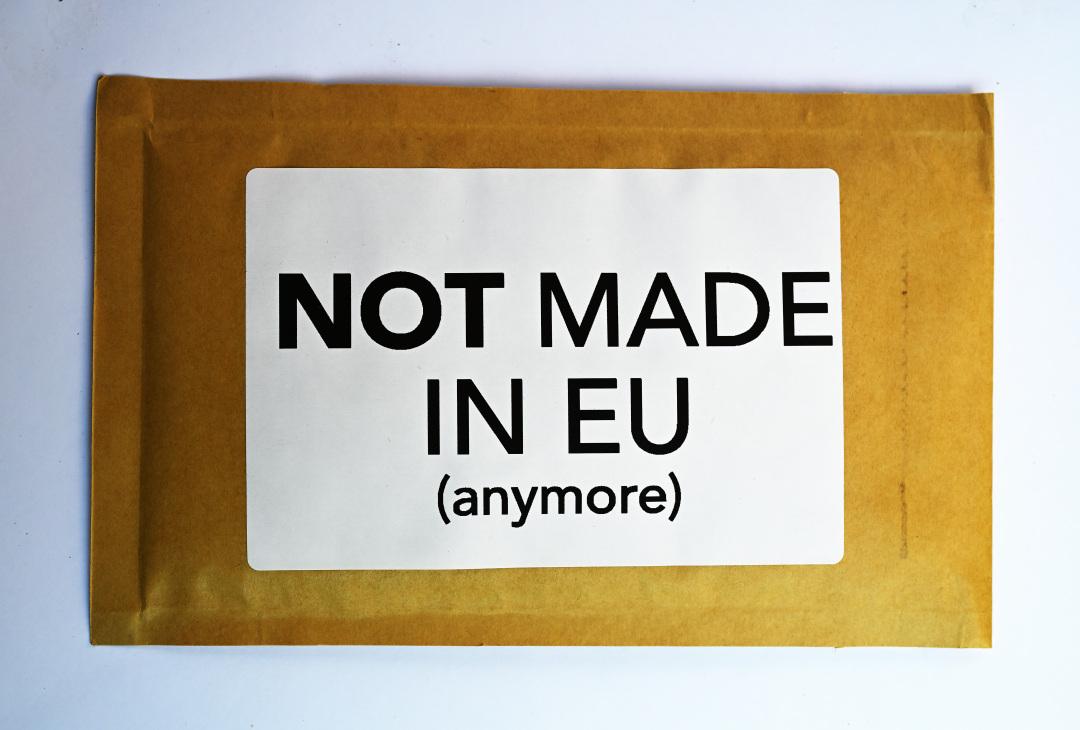
Lectronz is a marketplace for open-source hardware makers and DIY electronics. Most of our sellers are not factories or well-funded start-ups. They are engineers, independent designers, and hardware enthusiasts working from spare rooms, garages, and tiny workshops.
Lectronz 是一个面向开源硬件创客和 DIY 电子产品的市场。我们的大多数卖家并不是工厂或资金充足的初创企业。他们是工程师、独立设计师以及硬件爱好者,在空闲房间、车库和小型工作室里工作。
Some earn a living from their products. Some sell only a handful of boards each year. Others build ten units simply because they created something useful and want to share it with the community. Occasionally, one of those experiments grows into a real business. Every Arduino begins somewhere.
有些人靠他们的产品谋生。有些人每年只卖少数几块板子。还有人只制作十个单位,仅仅是因为他们创造了有用的东西并希望与社区分享。偶尔,这些实验中的一个会发展成真正的企业。每个 Arduino 都始于微末。
But the European Union's new packaging rules now threaten to kill the world of makers and micro-entrepreneurs, putting jobs, livelihoods and an entire ecosystem of innovation at risk.
但是,欧盟的新包装规定现在威胁着要扼杀创客和微型创业者的世界,使就业、生计以及整个创新生态系统面临风险。
And this threat is not just limited to makers and engineers. It affects artists, craftspeople and other micro-entrepreneurs selling their work across the EU.
这种威胁不仅限于创客和工程师。它还影响着在整个欧盟销售其作品的艺术家、手工艺人以及其他微型创业者。
A good idea, a terrible implementation
好主意,糟糕的执行
The EU has required producers to take responsibility for packaging waste for many years through Extended Producer Responsibility (EPR) schemes. The new Packaging and Packaging Waste Regulation (PPWR), which generally applies from 12 August 2026, aims to harmonise packaging rules across the European Union and reduce waste.
欧盟多年来一直要求生产者通过生产者责任延伸(EPR)计划对包装废弃物负责。新的《包装和包装废弃物法规》(PPWR)通常自 2026 年 8 月 12 日起适用,旨在统一整个欧盟的包装规定并减少废弃物。
The main idea of EPR is sensible: businesses that place packaging on the market should help finance its collection and recycling.
EPR 的主要理念是合理的:将包装投放市场的企业应该为其回收和再利用提供资金。
For makers, this means taking responsibility for the boxes, envelopes, plastic bags and other packaging used to deliver their products. This is an idea we can all get behind.
对于创客而言,这意味着要对用于交付产品的盒子、信封、塑料袋和其他包装负责。这是一个我们都能支持的理念。
Unfortunately, instead of creating a single European system, the PPWR preserves a fragmented national model. A business selling directly to customers across the EU must register and fulfil its obligations separately in every Member State where its packaging becomes waste. For large companies, this is part of the cost of doing business; for micro-businesses selling only a handful of products into each country, the cost and administrative burden can be wildly disproportionate to the amount of packaging involved.
不幸的是,PPWR 并没有建立一个统一的欧洲体系,而是保留了支离破碎的国家模式。直接向欧盟各地客户销售的企业必须在其包装成为废弃物的每个成员国分别注册并履行义务。对于大公司来说,这是经商成本的一部分;但对于向每个国家仅销售少数产品的微型企业而言,其成本和行政负担可能与所涉及的包装数量完全不成比例。
Imagine an engineer in Greece who designs a €25 open-source sensor board...
想象一下希腊的一位工程师设计了一款 €25 的开源传感器板……
During the first year, he sells five to Germany, two to France, two to Austria and one to Belgium. Each ships in a small antistatic bag and a padded envelope. The amount of packaging generated for each sale is probably around 50 grams.
在第一年,他向德国售出五块,向法国售出两块,向奥地利售出两块,向比利时售出一块。每件产品都装在一个小防静电袋和一个带衬垫的信封里发货。每次销售产生的包装量可能在 50 克左右。
He has just become a packaging waste producer in four countries.
他刚刚成为了四个国家的包装废弃物生产者。
Based on indicative prices currently quoted by national schemes and compliance providers, the annual cost for France alone can look like this:
根据国家计划和合规提供商目前报出的指示性价格,仅法国一年的成本可能如下所示:
These indicative costs continue to add up for each country:
这些指示性成本在各个国家不断增加:
- Belgium: €50 to €100 administrative fees per year, plus the services of an authorised representative (approx. €250 to €450).
- Germany: registration is free, but packaging-scheme participation starts at approximately €10 per year, plus an authorised representative costing around €190 per year.
- Austria: €250 administrative fees per year, plus the services of an authorised representative (approx. €100).
In short, the barrier to entry for these four countries totals €1150 per year in an optimistic scenario.
简而言之,在乐观的情况下,这四个国家的准入门槛总计为每年 €1150。
The weight-based environmental contribution associated with half a kilogram of packaging should be measured in cents. The bureaucracy required to account for it is measured in thousands of euros.
与半公斤包装相关的基于重量的环境贡献应以几分钱来衡量。而核算它所需的官僚程序则以数千欧元来衡量。
Now imagine you want to sell to all 27 Member States! To make it worthwhile, our Greek engineer needs to sell not 10 boards, not 100, but literally thousands of boards every year from the very start.
现在想象一下你想向所有 27 个成员国销售!为了使其值得,我们的希腊工程师从一开始就需要卖出不是 10 块板子,不是 100 块,而是每年 数千块板子。
It simply isn’t worth it anymore.
这简直不值得了。
Killing innovation softly
温柔地扼杀创新
Often, innovation doesn’t come from large established corporations, but from small businesses that start from scratch with new ideas and little money. Before becoming successful and selling millions of products, many companies started selling 10, then 100, then 1000. Most businesses never make it there. But there has to be space where ideas can be tested. This is one of the reasons Lectronz exists.
通常,创新并非来自大型老牌企业,而是来自那些凭借新想法和微薄资金从小做起的小企业。在取得成功并销售数百万件产品之前,许多公司都是从卖出 10 件,然后 100 件,再到 1000 件开始的。大多数企业从未达到那个水平。但必须有一个可以测试想法的空间。这就是 Lectronz 存在的原因之一。
In the past year, while some sellers on Lectronz sold hundreds of products, half of our registered sellers got fewer than 10 orders. This is not a bug, but the nature of a marketplace like Lectronz where makers are free to experiment with product ideas. Some ideas don’t work. Some creators on Lectronz only build 10 units and share them with the community without making a profit. But even products that “fail” have a value. When hardware creators share them with the community, they help others grow as well. One piece of hardware may unlock the creation of another, leading to new product ideas and innovation.
在过去的一年里,虽然 Lectronz 上的一些卖家卖出了数百件产品,但我们一半的注册卖家收到的订单不到 10 个。这不是缺陷,而是像 Lectronz 这样的市场的本质,创客可以在这里自由试验产品创意。有些想法行不通。Lectronz 上的一些创作者只制作 10 个单位并在不盈利的情况下与社区分享。但即使是“失败”的产品也有价值。当硬件创作者将其与社区分享时,他们也在帮助他人成长。一件硬件可能会开启另一件硬件的创造,从而带来新的产品创意和创新。
The EPR regulations threaten the existence of this innovative space in the EU.
EPR 法规威胁到了欧盟这个创新空间的存在。
EU policymakers keep sounding the alarm about Europe’s lack of innovation, but seem hell-bent on making it as hard as possible for innovation to emerge at all, with regulations that create a disproportionate barrier to entry for micro-enterprises and SMEs. It’s an environment where only big players like Amazon, Temu, or eBay can exist.
欧盟政策制定者不断敲响欧洲缺乏创新的警钟,但似乎铁了心要让创新难以出现,其法规对微型企业和中小企业造成了不成比例的准入门槛。在这样的环境下,只有像 Amazon、Temu 或 eBay 这样的大玩家才能生存。
Lectronz is also a micro-enterprise
Lectronz 也是一家微型企业
Lectronz collects a 5% fee on every transaction it processes. We waive this fee on the first five sales to encourage sellers to test our platform. After years of work, and with the recent surge of new sellers joining our platform in 2026, Lectronz now generates roughly the equivalent of one modest salary.
Lectronz 对其处理的每笔交易收取 5% 的手续费。我们免除前五次销售的手续费,以鼓励卖家测试我们的平台。经过多年的努力,随着 2026 年新卖家 最近激增 加入我们的平台,Lectronz 现在产生的收入大约相当于一份微薄的薪水。
I did not build it to become the next Amazon. I built it because independent hardware creators deserve a marketplace designed for them.
我建立它不是为了成为下一个 Amazon。我建立它是因为独立的硬件创作者值得拥有一个为他们量身定制的市场。
If these rules force many of our sellers to withdraw from the European market, they could also make Lectronz itself unviable. After everything we have built together, that would be personally heartbreaking.
如果这些规定迫使我们的许多卖家退出欧洲市场,它们也可能让 Lectronz 本身无法维持。在我们共同建立了一切之后,这对我个人来说将是令人心碎的。
For now, Lectronz sellers should not expect any immediate disruption. It remains unclear how national authorities will enforce these rules against makers and micro-enterprises, and we will continue monitoring the situation closely.
目前,Lectronz 的卖家不应期待会有任何立即的中断。目前尚不清楚国家当局将如何对创客和微型企业执行这些规定,我们将继续密切关注情况。
What are the solutions?
有什么解决方案?
If these regulations are applied strictly, the short-term solution for makers is simple: stop selling in the EU and ship exclusively to non-EU markets.
如果这些法规被严格执行,对创客来说短期的解决方案很简单:停止在欧盟销售,并专门向非欧盟市场发货。
Yes, you read that right. For a French micro-entrepreneur, it makes more sense to ship products to the US than to ship to neighbouring Germany or Belgium, for example. This is true even with any US tariffs in place.
是的,你没看错。例如,对于一位法国微型创业者来说,将产品运往美国比运往邻国德国或比利时更有意义。即使美国实施了任何关税,情况也是如此。
Of course, limiting sales to the US is not a viable solution for some sellers. It's also a loss for the European economy itself. I still hope that we can work out realistic solutions that can help restore the EU single market for micro-enterprises. Here are some ideas.
当然,将销售限制在美国对某些卖家来说并不是一个可行的解决方案。这对欧洲经济本身也是一种损失。我仍然希望我们能找到切实可行的解决方案,帮助微型企业恢复欧盟单一市场。以下是一些想法。
Solution #1: Introduce an EU-wide de minimis threshold.
解决方案一:引入欧盟范围内的 de minimis 门槛。
Exempt small-volume sellers and micro-enterprises from cross-border packaging obligations. The threshold would apply only to producers that are below a specific volume of waste and/or a specific yearly turnover.
豁免小批量卖家和微型企业的跨境包装义务。该门槛将仅适用于低于特定废弃物量和/或特定年营业额的生产者。
Solution #2: Create an EU EPR One Stop Shop.
解决方案二:创建一个欧盟 EPR One Stop Shop。
Create a centralised EU portal where sellers can register, report waste, and pay truly reasonable fees at once, for all Member States where they ship products. This could mimic the mechanism that already exists for VAT with the One Stop Shop (OSS).
创建一个集中的欧盟门户网站,卖家可以在此一次性为所有发货产品的成员国进行注册、报告废弃物并支付真正合理的费用。这可以模仿已经为 VAT 存在的 One Stop Shop (OSS) 机制。
Ideally, since we are in 2026, most of this work should be done through a modern open RESTful API (not web forms) and open-source software, to be as automated as possible.
理想情况下,既然我们在 2026 年,大部分工作应该通过现代的开放式 RESTful API(而不是网页表单)和开源软件来完成,以实现尽可能的自动化。
Solution #3: Allow marketplaces to represent and manage micro-enterprises collectively as if it were a single producer.
解决方案三:允许市场代表并集中管理微型企业,就像它们是一个单一的生产者一样。
A mechanism should allow marketplaces like Lectronz or Tindie to register, report waste, and pay reasonable fees on behalf of all their sellers as if they were collectively one producer of waste.
该机制应允许像 Lectronz 或 Tindie 这样的市场代表其所有卖家进行注册、报告废弃物并支付合理的费用,就好像他们集体是一个废弃物生产者一样。
This means that the marketplace would pay administrative fees and other EPR costs corresponding to a single producer, that would collectively represent all its sellers. For Lectronz, this would have a non-trivial impact in terms of cost and administrative work, but it might be achievable under the right conditions.
这意味着市场将支付与单一生产者相对应的行政费用和其他 EPR 成本,该生产者将集体代表其所有卖家。对于 Lectronz 来说,这在成本和行政工作方面会产生非同小可的影响,但在合适的条件下可能是可以实现的。
As stated above, using a common API standard for all countries would help automate things.
如上所述,对所有国家使用通用的 API 标准将有助于实现自动化。
Make your voice heard
让你的声音被听到
Again, to reiterate, we support the idea of reducing waste and promoting sustainability. But there’s got to be a better, simpler, and fairer way to do it.
再次重申,我们支持减少废弃物和促进可持续发展的理念。但必须有一种更好、更简单、更公平的方式来实现它。
This regulation is having a massive effect on the entire ecosystem of micro-businesses, not just makers. It affects artists who sell their creations online. Local traditional food producers who export their products across the EU. It also affects craftspeople who sell their work online through their own website or dedicated platforms like Etsy. Beyond the small world of makers and DIY electronics, this will have an impact on the livelihood of potentially hundreds of thousands of people in the EU.
这项法规对整个微型企业生态系统产生了巨大影响,而不仅仅是创客。它影响着在线销售其作品的艺术家。影响着向整个欧盟出口产品的当地传统食品生产商。它还影响着通过自己的网站或 Etsy 等专业平台在线销售其作品的手工艺人。除了创客和 DIY 电子产品的这个小世界之外,这还将对欧盟中可能数十万人的生计产生影响。
And to be clear: these rules affect not only businesses in the EU, but any business that sells to buyers in the EU.
需要明确的是:这些规定不仅影响欧盟内部的企业,而且影响任何向欧盟买家销售的企业。
Jeanette Koňarčíková, an independent artist and micro-entrepreneur from Slovakia, launched an online petition to draw the attention of policymakers to this issue:
来自斯洛伐克的独立艺术家兼微型创业者 Jeanette Koňarčíková 发起了一项在线请愿,以引起政策制定者对这个问题的关注:
The petition is thoughtful and well-written. I encourage you to read and sign it!
这份请愿书考虑周全且撰写精良。我鼓励您阅读并签名!
The European Commission also has an open public feedback page for this issue here:
欧盟委员会也在此就这一问题开放了公开反馈页面:
Consider leaving feedback there as well.
也请考虑在那里留下您的反馈。
Recently, the European Commission has begun to recognise part of the problem and has proposed suspending the requirement to appoint an authorised representative in every destination country until 2035. But this proposal has not yet been adopted. Unfortunately, this proposal may take time to be voted on and enter into force. By then, many small businesses may have closed. More importantly, removing the authorised-representative requirement would address only part of the problem. Rules like this risk undermining trust in the European project itself. What’s the point of the EU if the single market no longer exists for micro-enterprises?
最近,欧盟委员会已开始认识到部分问题,并提议将每个目的地国家任命授权代表的要求暂停至2035年。但该提案尚未获得采纳。遗憾的是,该提案可能需要一段时间才能进行投票表决并生效。到那时,许多小型企业可能已经倒闭。更重要的是,取消授权代表的要求只能解决部分问题。这样的规则有可能损害对欧洲一体化事业本身的信任。如果单一市场对微型企业来说已不复存在,那么欧盟的意义何在?
Here at Lectronz, we will continue to move forward and hope for the best.
在 Lectronz,我们将继续前行并抱持最好的期望。
But make your voice heard now to make sure policymakers understand the urgency of this issue!
但请现在就发出您的声音,以确保决策者了解这一问题的紧迫性!